
BPC-157 (5mg / 10mg)
$52.00 - $97.00
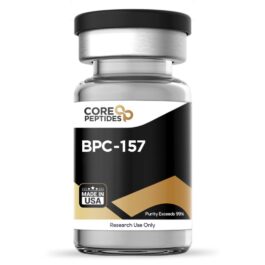
BPC-157 Product Information
Our BPC-157 is a high-purity, lyophilized peptide powder available in 5mg and 10mg sizes. With a certified purity of >99%, it is designed for research use.
We offer discounts on bulk orders:
5-8 units: 5% off, priced from $49.40 - $92.15
9+ units: 10% off, priced from $46.80 - $87.30
Enjoy FREE shipping on all orders over $200.
BPC-157 Peptide: A Focus on Tissue Repair and Homeostasis 🔬
What is BPC-157?
BPC-157 (Body Protection Compound 157) is a synthetic pentadecapeptide, meaning it is composed of 15 amino acids. This compound is derived from a fragment of a naturally occurring protein found in human gastric juice. BPC-157 has been widely studied for its potential in tissue repair and its ability to promote healing in a variety of tissues, including joints, tendons, muscles, and nerves. It is believed to act by mimicking the protective properties of the native protein, influencing processes like angiogenesis (the formation of new blood vessels) and cell proliferation.
Key Areas of Scientific Research 🧪
1. BPC-157 and Wound Healing
Studies have consistently explored BPC-157's potential for wound healing. In animal models with skin, colon, and sponge implant wounds, BPC-157 appeared to lead to a higher number of collagen, reticulin, and blood vessel developments. Research suggests that the peptide may hasten wound healing by promoting the formation of granulation tissue, reepithelialization, and dermal remodeling. It is also thought to enhance the expression of Vascular Endothelial Growth Factor (VEGF) and influence the migration and proliferation of umbilical vein endothelial cells (HUVECs), which are crucial for forming new blood vessels.
2. BPC-157 and Tendon Healing
An experiment on cultured tendon fibroblasts found that BPC-157 appeared to promote the outgrowth and healing of these cells, even under stress. The peptide was observed to increase the migration of tendon fibroblasts and induce increased phosphorylation of FAK and paxillin, two proteins that play a significant role in cellular movement and adhesion. This suggests that BPC-157 may enhance the repair and regeneration of tendon tissues by activating a specific cellular pathway.
3. BPC-157 and Gastrointestinal Healing
BPC-157's high stability and biocompatibility have made it a subject of research for gastrointestinal healing. Studies have shown that the peptide may consistently promote the healing of various wounds in the esophagus, stomach, and lower GI tract, regardless of whether they are chronic or acute. This suggests a broad angiogenic potential that extends beyond local injuries to internal tissues. The peptide is also thought to act on a "peptidergic defense system" to counteract over-activated neurotransmitter systems, such as those involving dopamine and serotonin, which can lead to organ lesions.
4. BPC-157 and Tissue Damage
Beyond the GI tract, research suggests that BPC-157 may play a role in addressing acute and chronic inflammation, wound healing, and fracture repair. Studies on murine models with damaged gastrocnemius muscles showed that BPC-157 appeared to exhibit signs of healing and restoration of the damaged muscle, even when the damage was worsened by corticosteroids.
5. BPC-157 and the Central Nervous System
In the context of traumatic brain injury (TBI), BPC-157 is being explored for its potential to reduce damage. Research suggests that the peptide may significantly reduce damage caused by TBI, as indicated by a minimal mortality rate and less pronounced traumatic lesions in murine models. It also appeared to considerably improve brain edema (swelling). This suggests that BPC-157 may have a protective and potentially preventive effect against the immediate consequences of TBI.
Product Specifications 📊
Molecular Formula: C62H98N16O22
Molecular Weight: 1419.55 g/mol
Other Known Titles: Pentadecapeptide BPC 157, Body Protection Compound-157
Important Notice: BPC-157 peptide is available for research and laboratory purposes only. It is not intended for human or veterinary use. All information provided is for educational and scientific reference only and has not been evaluated by the FDA or any medical regulatory body.