
Tesamorelin & CJC-1295 (Mod GRF 1-29) & Ipamorelin Blend (12mg)
$128.00 $117.00
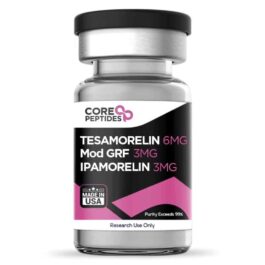
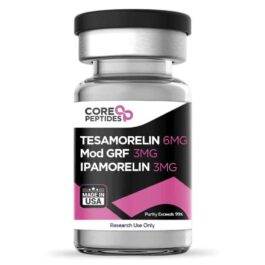
Tesamorelin, CJC-1295 (Mod GRF 1-29), & Ipamorelin Product Information
This product is a 12mg blend of three high-purity peptides: Tesamorelin (6mg), CJC-1295 (Mod GRF 1-29) (3mg), and Ipamorelin (3mg). It is provided in a lyophilized powder form with a certified purity of >99%, making it suitable for research applications. The SKU is TESA-MOD-GRF-IPA-12MG.
Pricing and Discounts
5-8 units: A 5% discount is applied, with a price of $111.15 per unit.
9+ units: A 10% discount is applied, with a price of $105.30 per unit.
We also offer FREE shipping on all orders over $200.
Tesamorelin, CJC-1295 (Mod GRF 1-29), and Ipamorelin are synthetic peptides that are being researched for their potential to synergistically stimulate the synthesis and secretion of growth hormone (GH). Each peptide targets a different pathway to achieve this effect: Tesamorelin and CJC-1295 (Mod GRF 1-29) act on GHRH receptors, while Ipamorelin acts on ghrelin receptors.
1. Mechanisms of Action 🧪
The blend's potential lies in the distinct yet complementary actions of its components:
Tesamorelin: An analog of GHRH, this 44-amino-acid peptide is hypothesized to bind to GHRH receptors in the pituitary and hypothalamus, stimulating the release of GH. Modifications to its structure may enhance its stability and resistance to enzymatic degradation.
CJC-1295 (Mod GRF 1-29): A tetrasubstituted variant of GHRH (1-29). It's also believed to bind to GHRH receptors to promote GH secretion. This peptide is thought to have a longer half-life due to its ability to bind to serum albumin, which extends its duration of action.
Ipamorelin: A selective agonist for the ghrelin receptor (also known as the GHS receptor) located in the pituitary gland. Its binding is believed to induce GH release with high specificity, without significantly affecting other hormonal systems like prolactin or ACTH.
The synergy of these peptides is believed to stem from their ability to activate different GH-releasing pathways simultaneously, potentially leading to a more robust and sustained release of GH.
2. Research and Clinical Studies 🔬
While there are no publicly available clinical studies on this specific blend, research on each individual peptide highlights their potential effects.
Pituitary Gland and Growth Hormone Release
Receptor Activation: Tesamorelin and CJC-1295 (Mod GRF 1-29) are thought to activate the GHRH receptor, which initiates a signaling cascade that culminates in GH secretion.
Ghrelin Pathway: Ipamorelin's action on the ghrelin receptor is believed to activate a different pathway, potentially involving the release of calcium ions and the activation of protein kinase C, to trigger GH release.
Hormonal Specificity: Ipamorelin has been noted for its high specificity in inducing GH release without significantly affecting other hormones like prolactin or cortisol, which may be a potential advantage.
Anabolic Effects and Body Composition
Lean Mass: Research on individual peptides suggests a potential for increased lean body mass. For example, a study on CJC-1295 (Mod GRF 1-29) reported that male research models appeared to gain an average of 1.26 kg in lean body mass over four months.
Muscle Tissue: Studies on Tesamorelin using CT scans have suggested a possible association with improvements in the density and size of specific muscle groups, such as the rectus abdominis and psoas major.
GI Tract: Ipamorelin is believed to interact with ghrelin receptors in the GI tract, potentially promoting gut motility and intestinal absorption. One study suggested it may accelerate gastric emptying and influence muscle contractility.
3. Product Information 🧬
PeptideMolecular FormulaMolecular Weight
TesamorelinC221H366N72O67S5136 g/mol
CJC-1295 (Mod GRF 1-29)C152H252N44O423367.9 g/mol
IpamorelinC38H49N9O5711.8 g/mol
Important Notice: The Tesamorelin & CJC-1295 (Mod GRF 1-29) & Ipamorelin peptide blend is available for research and laboratory purposes only.
It is not intended for human or veterinary use. All information provided is for educational and scientific reference only and has not been evaluated by the FDA or any medical regulatory body.